

TikTok Ads does not optimise from your intentions, margins, or campaign structure. It optimises from the conversion signals it receives. When those signals are missing, duplicated, incomplete, or assigned the wrong value, TikTok’s delivery system learns from a distorted version of your business. The result is not merely an untidy reporting dashboard: it is a compounding source of wasted ad spend.
For PrestaShop merchants, tracking problems often emerge during theme changes, checkout customisation, consent-banner deployment, or platform updates. A pixel may still appear to “work” because Pageview events are visible, while the revenue events needed for smart bidding are unreliable. That gap can quietly increase acquisition costs and limit scale.
Bad conversion data changes how TikTok spends your budget
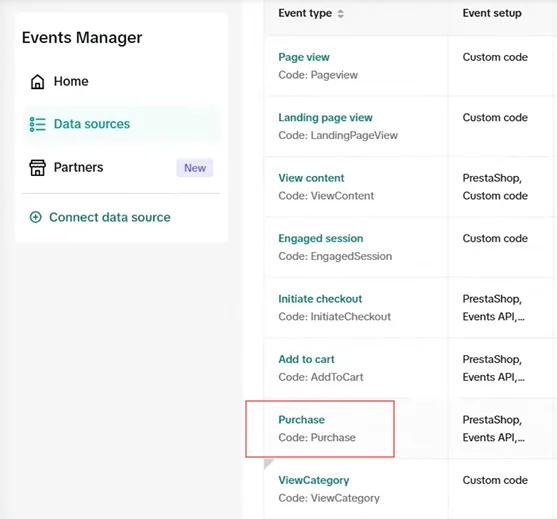
TikTok’s optimisation system uses conversion events to estimate which users are most likely to complete the selected action. For a Sales campaign optimising for Purchase, every correctly reported purchase becomes training data. It helps the platform identify patterns across audiences, creatives, placements, devices, and times of day.
If purchases fail to fire, TikTok sees fewer successful outcomes than the store actually generates. The algorithm has less data to learn from, may remain in learning for longer, and can shift delivery toward users who generate easier but less valuable signals, such as clicks or product-page views. A campaign may look unprofitable in Ads Manager even when orders are occurring in PrestaShop, leading teams to pause creative or audiences that are genuinely performing.
Incomplete data causes a similar problem. A Purchase event without value and currency tells TikTok that an order happened, but not its commercial value. A ViewContent or AddToCart event without a reliable content_id cannot be matched confidently to the product catalogue. This weakens product-level measurement and reduces the quality of optimisation for catalogue and retargeting activity..
The hidden costs: duplication, attribution gaps, and inflated CAC
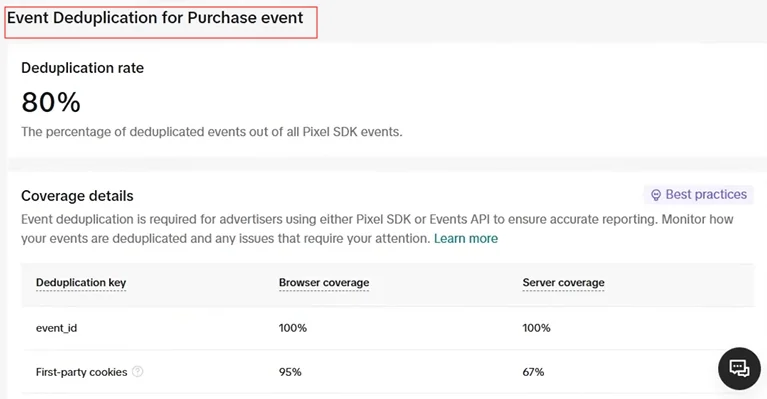
Missing events understate results. Duplicate events can be even more dangerous because they overstate them. For example, a browser pixel might send a Purchase after the thank-you page loads, while a separate server integration sends another Purchase for the same order. Without a shared event_id, TikTok may treat both as independent conversions.
This can produce an artificially low reported cost per purchase and inflated reported revenue. Campaigns appear efficient, so budgets are increased. Later, when finance compares TikTok-reported purchases with paid orders in PrestaShop, the real customer acquisition cost (CAC) is much higher than expected. Teams then make budget decisions based on false profitability.
Browser-only tracking also leaves unavoidable gaps. Ad blockers, browser privacy features, network failures, and consent choices can prevent pixel requests from reaching TikTok. Server-side Events API tracking improves resilience because events are sent from the store server rather than depending solely on the shopper’s browser. However, server events must still contain accurate order and product data, and they must be deduplicated against browser events correctly.
Why PrestaShop implementations commonly break

A basic pixel snippet installed in a theme footer can track a page load, but ecommerce measurement requires event logic at specific customer actions. Product data must be available on product pages; cart data must be rebuilt when items are added; checkout events must occur at the right stage; and Purchase must fire only for a confirmed order.
Custom checkout modules are a frequent source of errors. They can change URLs, use AJAX, reload confirmation pages, or fire success callbacks more than once. Multi-currency stores can also report an incorrect value if tax, shipping, discounts, or currency conversion are handled inconsistently. In each case, TikTok receives a signal that is technically present but commercially unreliable.
How to diagnose it
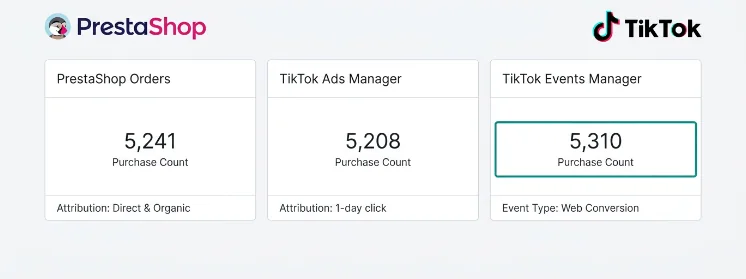
Start by comparing the same date range across PrestaShop orders, TikTok Ads Manager, and TikTok Events Manager. A small attribution difference is normal; large or sudden gaps deserve investigation. Check whether Purchase counts exceed paid orders, which often indicates duplication.
In Events Manager, inspect event quality, parameter coverage, and browser versus server event sources. Test a complete customer journey using TikTok Pixel Helper and browser developer tools. Confirm that Pageview, ViewContent, AddToCart, InitiateCheckout, and Purchase occur once at the intended moment. For each relevant event, validate content_id, content_name, value, currency, and event_id. Finally, place a real or test order and verify that browser and server Purchase events share the identical event ID.
How Pixel Track TikTok solves it

Pixel Track TikTok is built for PrestaShop 1.7 through 8.2 and implements both the browser TikTok pixel and TikTok Events API. It sends the core ecommerce events—Pageview, ViewContent, AddToCart, InitiateCheckout, and Purchase—with the parameters TikTok needs to understand the product and transaction context: content_id, content_name, value, currency, and event_id.
Its key technical safeguard is consistent event ID handling across browser and server delivery. When the same customer action is transmitted through both channels with the same event_id, TikTok can deduplicate it and retain one conversion rather than counting two. The browser pixel preserves useful client-side matching signals, while Events API provides a more durable server-side path when browser delivery is blocked or incomplete.
Reliable tracking does not guarantee profitable ads, but it gives TikTok’s bidding system truthful feedback. That creates a sound basis for evaluating CAC, scaling winning campaigns, and improving creative and audience decisions without paying for errors in the data layer.